
Running Physio Melbourne

Why we always Recommend Seeing a Running Physio (And You Should Too)
We’ve been treating runners for years, and honestly? The transformation we witness when someone finally gets the right physiotherapy support never gets old. Whether you're battling that nagging knee pain that's been haunting your morning runs, recovering from a recent injury, or simply want to bulletproof your body against future setbacks - working with a specialised running physiotherapist changes everything.
What makes our approach different is how we dig deep. We don't just look at where it hurts; we examine your entire running mechanics, identify the weak links in your kinetic chain, and build you back stronger than before. Each runner who walks through our doors gets a completely personalised treatment plan because your body tells it's own unique story.
From comprehensive biomechanical analysis to targeted strength programs, every service we offer has one goal: getting you back to doing what you love, pain-free and performing better than ever. Whether you're lacing up for your first 5K or grinding through marathon training, we've got your back.
Speaking of getting back stronger - We've actually put together a comprehensive guide covering everything from initial injury assessment through to return-to-running protocols. You can check it out here: https://www.evolutio.com.au/running-injury-recovery-guide
Trust me, your future running self will thank you for taking action now.
Book a Running Physio Appointment
The Evolutio Team would like to acknowledge the traditional custodians of the land on which the clinic is situated. This land belongs and always will belong to the Woiworrung and Boonwurrung peoples, who speak the traditional Indigenous languages of Woiwurring and Daungwurrung.
As a team, we pay our respects to the vibrant and endless Indigenous culture of this country and to the leadership of Elders past, present and emerging. Recognising their strength and resilience, as this land was taken from them, and that sovereignty was never ceded.
What Does a Running Appointment Include?
Running Injury Assessment and Treatment
Running injuries like runner's knee, shin splints, and Achilles tendonitis are common but treatable with the right care. Our expert physios thoroughly assess your injury to determine its root cause, using advanced diagnostic methods. We then create a personalised rehabilitation plan focused on helping you recover quickly and safely. Whether you're dealing with persistent pain or a sudden issue, our goal is to get you back to running stronger than ever.
Running Analysis and Biomechanical Assessment
Proper running form is essential for preventing injuries and improving performance. Our comprehensive running analysis evaluates your gait, stride, and biomechanics to identify inefficiencies that may be holding you back. After pinpointing these areas, we offer expert advice and exercises tailored to your body, improving your running form and reducing your risk of future injuries.
Strength and Conditioning for Runners
Strength and conditioning are crucial for any athlete, especially runners. Our running physios develop a customised program, designed to enhance your stability, endurance, and power. We focus on the muscle groups that matter most to runners, helping you build strength that not only improves performance but also protects you from overuse injuries.
Preventive Care and Injury Prevention
Preventing injuries before they happen is always the best approach. Our proactive injury prevention strategies focus on identifying risk factors early on. We provide education on essential warm-up techniques, effective stretches, and cross-training exercises to ensure you're training smart. By addressing potential problem areas, we help you avoid downtime and keep progressing toward your running goals.
Return to Running Program
If you're coming back from an injury, our return-to-running program offers a structured and safe way to ease back into your routine. Designed by our experienced physiotherapists, the program guides you through progressive training while monitoring your recovery closely to prevent re-injury. We'll support you every step of the way, ensuring a smooth and successful transition back to running.
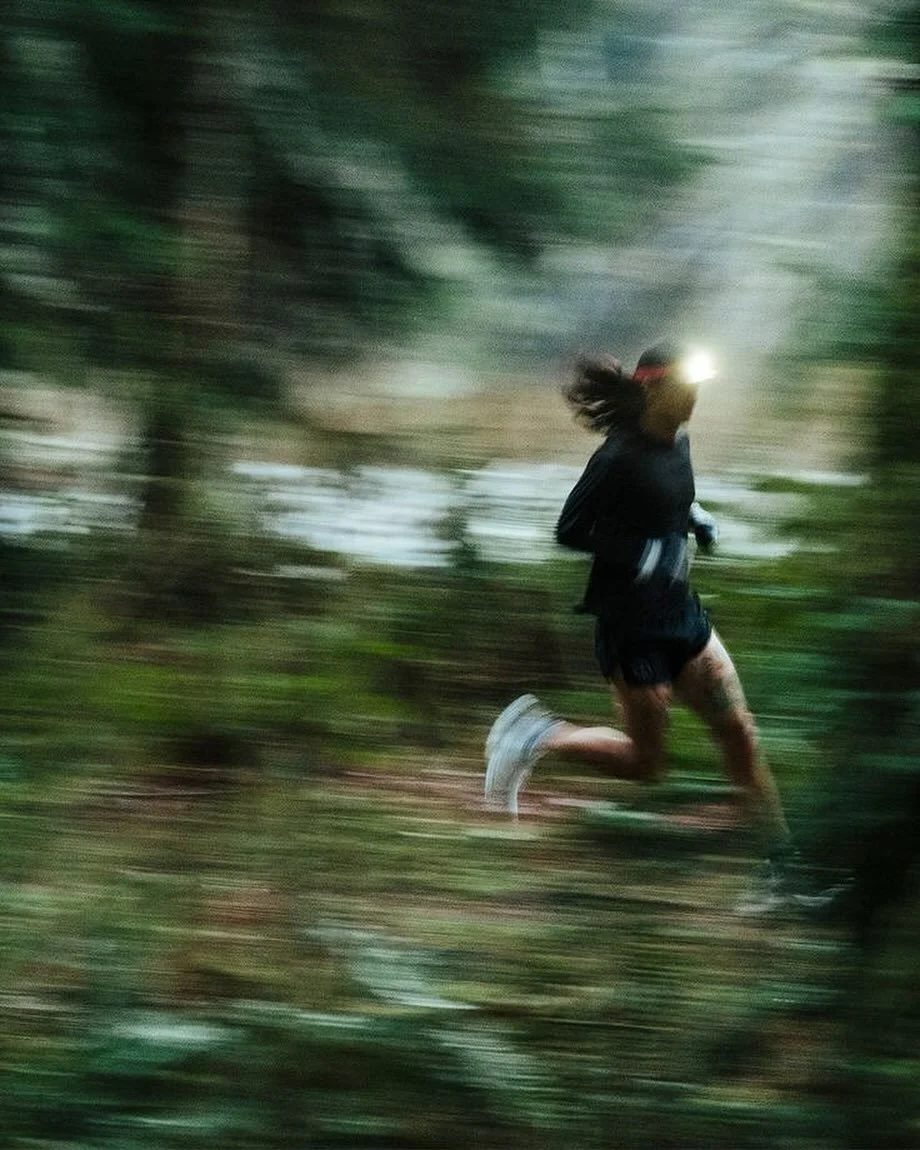
The Running Injuries Evolutio Sports Physio Richmond Sees Most (And How They Fix Them)
Every week, the team at Evolutio Sports Physio Richmond treats runners dealing with the same handful of injuries - and honestly, most of them are completely preventable with the right approach. Here's what typically walks through their Richmond clinic doors, and more importantly, how they get clients back on the pavement stronger than before.
Runner's Knee That sharp pain right behind the kneecap? It's usually cartilage throwing a tantrum from too much friction. The Richmond team has developed specific protocols that don't just mask the pain - they actually fix the underlying mechanics causing the irritation in the first place. Learn more about their Runner's Knee recovery approach.
Shin Splints When shins feel like they're on fire during runs, it's often the body screaming about poor biomechanics or those ancient running shoes clients refuse to replace. Evolutio Sports Physio Richmond dives deep into running form and strengthens the weak spots that are setting runners up for trouble. Discover their complete Shin Splints recovery protocol.
Plantar Fasciitis This heel pain that makes first steps out of bed feel like walking on glass? It's one of their specialities at the Richmond clinic. Their targeted treatment approach gets that thick tissue underneath the foot functioning properly again, not just temporarily pain-free. Get their step-by-step Plantar Fasciitis recovery plan.
Achilles Tendonitis The Achilles tendon connects powerhouse calf muscles to the heel, and when it gets angry, everything suffers. Evolutio Sports Physio Richmond focuses heavily on flexibility and strength work to reduce that tension that's been building over months of running. See their proven Achilles Tendonitis treatment strategies.
IT Band Syndrome That nagging outer knee pain is usually the IT band's way of telling runners something upstream needs attention. The Richmond team looks at the entire chain - hips, core, glutes - because that's where the real problem usually lives. Learn why IT Band Syndrome is Richmond runners' biggest nemesis.
Hamstring Strains Hamstring injuries love to come back if not addressed properly the first time. Their rehabilitation approach ensures hammies come back stronger and more resilient than they were before the injury.
Hip Flexor Strains Tight, weak hip flexors are epidemic among runners, especially those who spend days hunched over desks. The exercises Evolutio Sports Physio Richmond prescribes target both flexibility and strength to prevent these from becoming chronic issues.
Patellar Tendonitis When that tendon connecting the kneecap to the shinbone starts protesting, it needs specific, targeted treatment. They don't just reduce pain - the Richmond team rebuilds tendon strength so clients can handle whatever training throws at them.
ACL Injuries An ACL tear is every runner's nightmare, but Evolutio Sports Physio Richmond has guided countless athletes through successful recoveries. Their comprehensive program rebuilds not just strength and stability, but the confidence needed to trust the knee again.
Want the complete roadmap for injury recovery? They've laid out everything in their detailed guide: https://www.evolutio.com.au/running-injury-recovery-guide
The bottom line? Most running injuries aren't random bad luck - they're the body's way of highlighting weaknesses that need addressing.

Book to see a Running Physio
Ready to take the next step in your running journey? Whether you're recovering from an injury or looking to enhance your performance, our specialised running physiotherapists are here to help. Book an appointment with one of our physiotherapists today and get personalised, expert care to keep you running stronger, faster, and injury-free.
Our initial appointments are a 45 minute session with a specialty physiotherapist. We will ask some investigative questions, diagnose the issue, and help build a long term plan to get you back to running pain free! Initial appointments are $175, with follow up sessions costing $115. View our physio treatment pricing for more information on each session type.
Why Choose Evolutio
Expertise
At Evolutio, our team consists of highly trained and experienced running physiotherapists who specialise in running-related injuries and rehabilitation. With a deep understanding of the biomechanics of running, we provide expert care designed to help you recover quickly and get back to doing what you love.
Passion for Running
We're not just physiotherapists – we're runners too. We understand the physical demands and mental challenges that come with running at any level. Our passion for the sport fuels our commitment to helping runners of all abilities achieve their goals and maintain a healthy, injury-free running lifestyle.
Individualised Care
Every runner is different, and so are their treatment needs. We offer personalised care tailored to your unique circumstances, whether you're a weekend warrior or an elite athlete. Your treatment plan will be designed with your specific goals and running aspirations in mind, ensuring a custom approach to your recovery and performance.
Comfortable Clinic Environment
At our modern physio clinic, we’ve created a comfortable and welcoming environment that stands apart from the typical physio experience. From the moment you walk in, you’ll feel at ease with the soothing sounds of indie tunes playing softly in the background. Our laid-back atmosphere and friendly team ensure a relaxed vibe, but rest assured, our sports physiotherapy treatment is top-notch and highly professional.
Meet Our Team

Catya
Catya is one of our most outrageously talented running physio’s with a inquisitive mind and soft personable approach. She’ll help you on the road to recovery.
Bayden
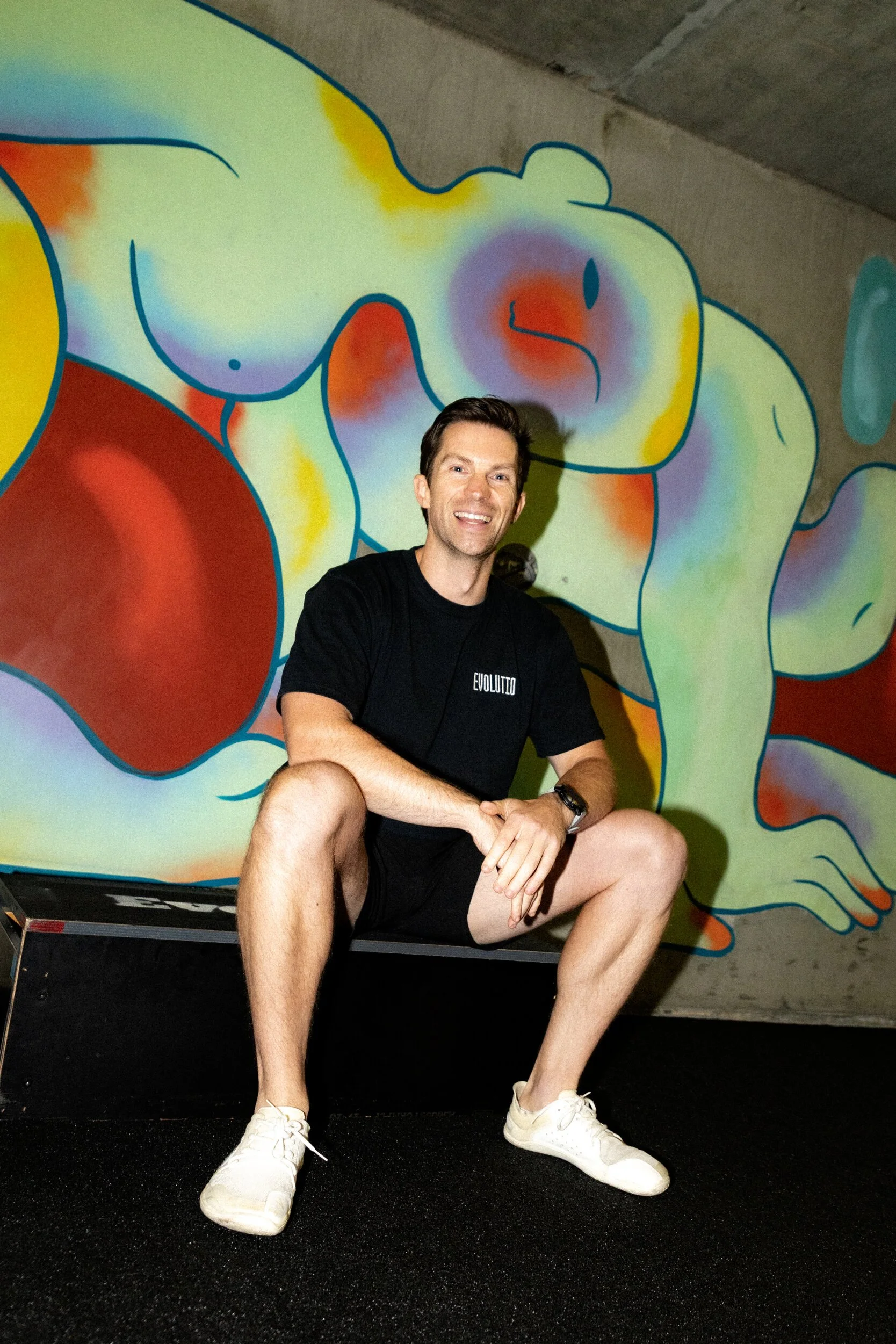
Bayden is one of our most experienced Running Physiotherapists, coming from years of experience coaching elite runners from all ages and backgrounds since 2016. In fact word has it, he loves feet. Weirdd Bayden.
Harry
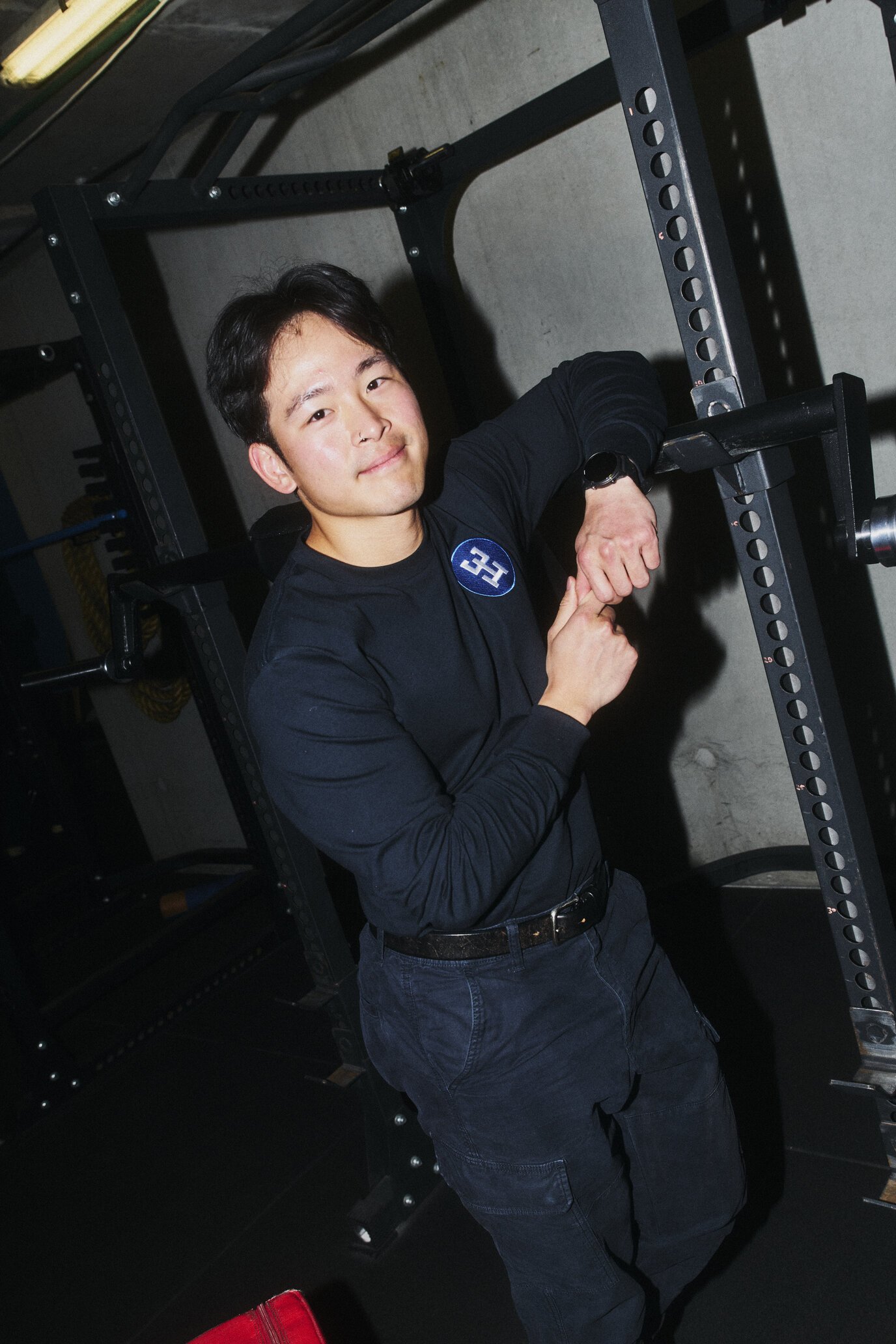
Harry loves diving deep into how you move and why you move like that. He loves analysing gait patterns and what has causes your injuries. He also loves shoes and has an Insta account where he review running shoes, so check him out, @Harry.Hybrid
IT Band Injury Resources
Iliotibial Band (ITB) syndrome is one of the most common running injuries, causing pain on the outer knee. Here's your comprehensive guide to IT band injury resources in Melbourne and evidence-based treatment information.
What is IT Band Syndrome?
The iliotibial band is a thick connective tissue running from your hip to just below your knee on the outside of your thigh. IT Band Syndrome occurs when this band becomes irritated, causing friction as it rubs against the femoral condyle (outer knee bone) during repetitive activities like running. Pain typically intensifies around 30 degrees of knee flexion – known as the "impingement zone."
Melbourne IT Band Treatment Centers
Evolutio Sports Physio Richmond
Specializing in running injury treatment, we've helped 89% of runners return to pain-free running within 8-12 weeks. Our approach includes comprehensive gait analysis on our treadmill, VALD force plate testing for strength asymmetries, targeted hip and glute strengthening programs, and dry needling for ITB tension. We work closely with Ciclo Melbourne for bike fit issues that can contribute to IT band problems in cyclists.
Full Speed Performance
Specializes in ITB syndrome recovery with personalized rehab programs focusing on restoring function, reducing pain, and preventing future injuries. Their approach combines pain management, targeted physiotherapy and stretching, advanced therapies (dry needling, massage, shockwave), and gradual return-to-sport protocols.
Melbourne Physio Clinic
Located in Melbourne CBD (Level 14, 333 Collins Street), they offer expert IT band treatment with personalized physiotherapy plans including ice therapy, targeted strengthening exercises, flexibility work, and running technique refinement.
Keilor Road Physiotherapy
Provides comprehensive ITB Friction Syndrome treatment with tailored rehabilitation programs, manual therapy, strength training, and biomechanical correction to relieve knee pain and prevent recurrence.
Evidence-Based IT Band Treatment
Modern understanding points to hip and gluteal muscle weakness as the primary cause of IT band syndrome, rather than ITB tightness itself. Weakness and imbalances in these muscles lead to improper leg mechanics during running, causing increased compression of the fat pad near the knee.
Effective treatment includes:
Hip Strengthening - Strengthening hip abductors (especially gluteus medius and minimus) and gluteus maximus is crucial, as these muscles stabilize the pelvis and control leg movement during running
Manual Therapy - Hands-on techniques or dry needling to release tight muscles and fascia around the hip, thigh, and IT band
Load Management - Ice therapy, anti-inflammatory measures, and temporary activity modification to manage pain and inflammation
Foam Rolling - While you can't effectively stretch the IT band itself, foam rolling surrounding muscles (glutes, quadriceps, TFL, hamstrings) can alleviate tension
Running Technique - Addressing stride length, cadence, and posture to reduce strain on the IT band
Gradual Return to Activity - Progressive loading protocols to safely return to running without symptom recurrence
IT Band Self-Management Resources
Foam Rolling Techniques:
Roll glutes, quadriceps, TFL, and hamstrings
Avoid rolling directly on the IT band if it causes pain
Perform 1-2 minutes per muscle group daily
Strengthening Exercises:
Side-lying leg lifts for hip abductors
Single-leg bridges for glute strength
Clamshells for gluteus medius
Single-leg deadlifts for stability
Prevention Strategies: Gradually increase running mileage, avoid excessive hill running temporarily, vary training surfaces, ensure proper footwear, and maintain consistent strength training
When to Seek Professional Help:
See a physiotherapist if you experience:
Pain persisting more than 2 weeks despite rest
Sharp pain on the outer knee during running
Pain that worsens with stairs or hills
Swelling or tenderness over the outer knee
Difficulty bending the knee
Recovery Timeline:
Significant improvements in pain and function are usually made in the first 1-3 visits, with full recovery taking only a few weeks for milder cases, while more severe pain typically heals within 1-2 months. You usually don't have to stop training completely, though modifications are often needed.
Book Your IT Band Assessment
At Evolutio, we specialize in running injury rehabilitation. Our comprehensive assessment includes video gait analysis, VALD force plate testing, and detailed strength screening to identify the root cause of your IT band syndrome. Book online or call 03 9100 3798.
Additional Resources:
Physiopedia IT Band Syndrome Guide - Comprehensive clinical resource
Should I Keep Lifting With Shoulder Pain? - Our guide to training through pain
Running FAQ’s
-
Recovery time for a running injury varies depending on the type and severity of the injury, as well as individual factors like age and fitness level. Minor injuries like mild muscle strains or shin splints may take 1-3 weeks to heal, while more serious injuries such as stress fractures or an ACL tear can take several months. Working with a physiotherapist can help you recover more efficiently and safely by providing a structured rehabilitation plan.
-
The length of your treatment plan will be determined during your initial consultation. For minor injuries, most patients require around 2-3 sessions. However, more severe injuries might need a longer-term treatment plan, which could involve 8-10 sessions spread over multiple months. We’ll be able to provide a more accurate recovery timeline after assessing your condition in the consultation.
-
In our initial consultation, we will spend 45 minutes assessing your injury or areas of concern, reviewing your running history, and discussing any symptoms or discomfort you're experiencing. The session may include a physical examination and range of motion tests. We will also create a personalised treatment plan based on your specific needs, providing you with an estimated recovery timeline. This consultation is essential in determining the right approach to help you return to running safely and efficiently.
-
If you're injured from running, it's important to focus on low-impact exercises that won't worsen your condition. Activities like swimming, cycling, or using a stationary bike can help maintain your cardiovascular fitness without putting too much stress on your injury. Strengthening exercises, such as core and glute work, can also help support your recovery. A physiotherapist can provide specific exercises tailored to your injury to help you heal while staying active.
-
Running with an injury is not recommended. Even if the pain seems manageable, continuing to run can make the injury worse and lead to long-term damage. It's important to rest and seek advice from a physiotherapist to assess the injury and get a customised treatment plan. Running with an injury may increase recovery time and worsen the problem.
-
The amount of time you should take off running depends on the type and severity of the injury. For minor injuries like muscle strains, you may only need to rest for a week or two. However, more serious injuries, such as stress fractures or tendonitis, could require several weeks or even months of recovery. A physiotherapist can guide you on when it's safe to return to running and help develop a gradual return-to-running program.
-
A running injury may be serious if you experience persistent pain, swelling, or limited movement that doesn’t improve with rest. Sharp or stabbing pain, inability to bear weight on a limb, or pain that worsens with activity may indicate a more serious issue, such as a fracture or ligament tear. It's important to see a physiotherapist or healthcare provider for a proper diagnosis and treatment plan if your pain lasts more than a few days.
-
Muscle soreness, also known as delayed onset muscle soreness (DOMS), typically occurs 24-48 hours after intense physical activity and is a normal part of muscle recovery. Soreness feels like a general ache and stiffness that improves with gentle movement and rest. In contrast, a running injury will usually cause sharp, localised pain that doesn’t improve with rest or may get worse with activity. Injuries may also cause swelling, bruising, or loss of mobility. If you're unsure whether you're dealing with soreness or an injury, it’s best to consult a physiotherapist for an accurate diagnosis.
Book Now!
Book an appointment with one of our Evolutio physiotherapists at our clinic today, and get personalised, expert care to keep you running stronger, faster, and injury-free.